
- Your cart is empty
- Continue Shopping
How to Use Activated Carbon in Your Aquarium Filter (Complete Guide)
-
By
- Posted on
- 0 comments
- Aquarium Tips and Guide
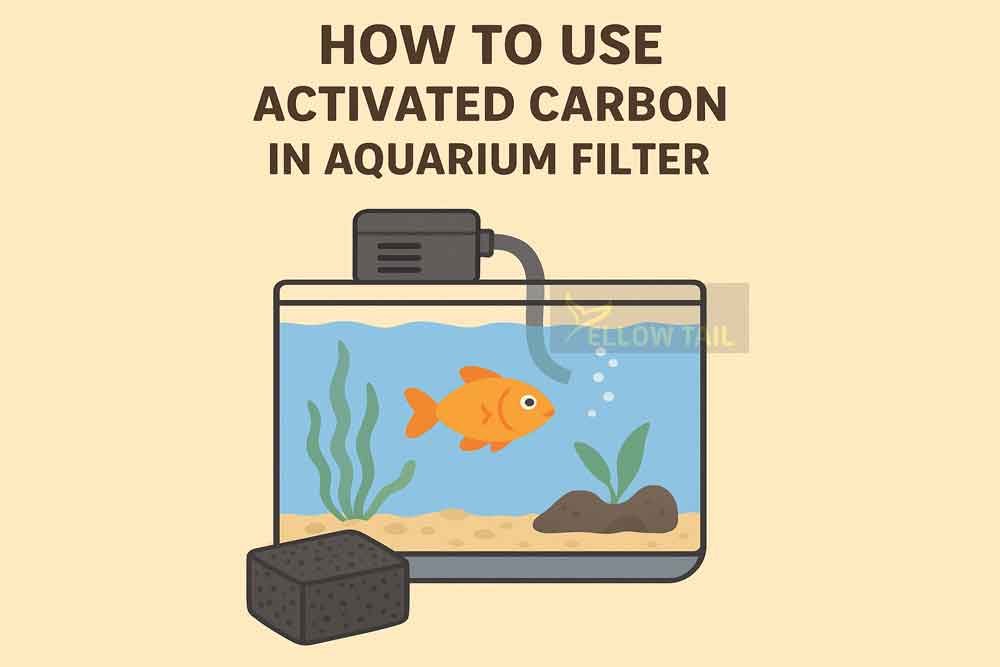
Maintaining crystal-clear water in an aquarium is every hobbyist’s goal. Over time, fish waste, uneaten food, and dissolved organics can make the tank look cloudy and smell unpleasant. This is where activated carbon comes in. When placed inside your filter, activated carbon absorbs impurities and keeps your aquarium water fresh and healthy for your fish.
In this guide, we’ll cover everything you need to know about using activated carbon correctly, from preparation to replacement.
Why Use Activated Carbon in an Aquarium?
Removes yellow discoloration and odors
Helps eliminate toxins and medication residues
Improves water clarity and fish health
Works in both freshwater and marine aquariums
Step 1: Choose the Right Type of Activated Carbon
Not all carbon is the same. For home aquariums, stick-type activated carbon is the easiest to handle. It produces less dust, lasts longer, and fits well into filter bags. Pellet and powdered carbon exist, but stick type is more practical for everyday use.
Step 2: Rinse the Carbon Before Use
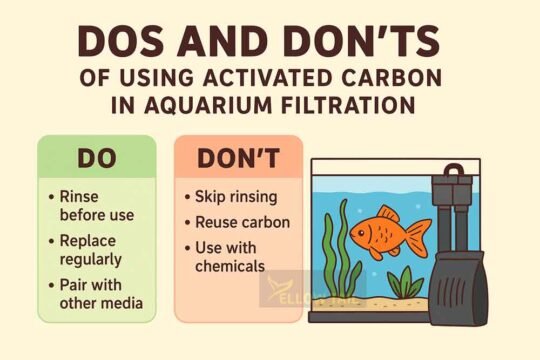
Activated carbon always has fine dust particles from the manufacturing process. If you place it directly into your filter, the dust can cloud the water. To prevent this:
Place the carbon in a fine mesh filter bag.
Rinse thoroughly under running water until the water runs clear.
Do not use soap or chemicals while rinsing.
Step 3: Place the Carbon in Your Filter
Activated carbon should sit where water flows through it consistently.
Top Filters or Hang-on Filters: Place the carbon bag in a slot where water passes after mechanical filtration.
Canister Filters: Insert the carbon bag in a tray after sponge or mechanical media, but before biological media.
Internal Filters: Use a small pouch of carbon in the media chamber if space allows.
Correct placement ensures maximum contact between water and carbon.
Step 4: Replacement Schedule
Activated carbon does not last forever. Over time, its pores fill up and stop absorbing impurities.
Replace every 3 to 4 weeks depending on tank size and bioload.
If you have medicated the tank, replace carbon after treatment to remove leftover chemicals.
Never reuse old carbon, as it will not absorb again.
Step 5: Combine with Other Media for Best Results
Activated carbon works best when combined with other filter media. A good setup includes:
Sponge or filter wool (mechanical filtration)
Bio rings or ceramic media (biological filtration)
Activated carbon (chemical filtration)
For convenience, you can also try an All-in-One Filter Media Pack, which includes carbon along with other essential media types.
FAQs about Using Activated Carbon
Q1: Do I need activated carbon in a planted tank?
A: Yes, but avoid overuse. It can remove some nutrients. Use moderately.
Q2: Can I skip activated carbon if I do regular water changes?
A: Water changes help, but carbon keeps the water polished between changes.
Q3: Will activated carbon remove fish medications?
A: Yes. Always remove carbon during treatment, and put fresh carbon back in afterward.
Q4: Is carbon safe for all fish and shrimp?
A: Absolutely. It is widely used in community aquariums without issues.
Q5: Can I use carbon in marine aquariums?
A: Yes, it is equally effective in saltwater tanks.
Final Thoughts
Activated carbon is one of the simplest yet most effective tools in aquarium filtration. By choosing the right type, rinsing properly, and replacing it on time, you can maintain a healthy and crystal-clear tank. For best results, pair carbon with other filter media or choose a complete pack that balances mechanical, biological, and chemical filtration.
👉 Shop Premium Activated Carbon Stick Type 1kg
👉 Also explore All-in-One Filter Media Pack