
- Your cart is empty
- Continue Shopping
How to Use an Automatic Fish Feeder for Stress-Free Aquarium Care

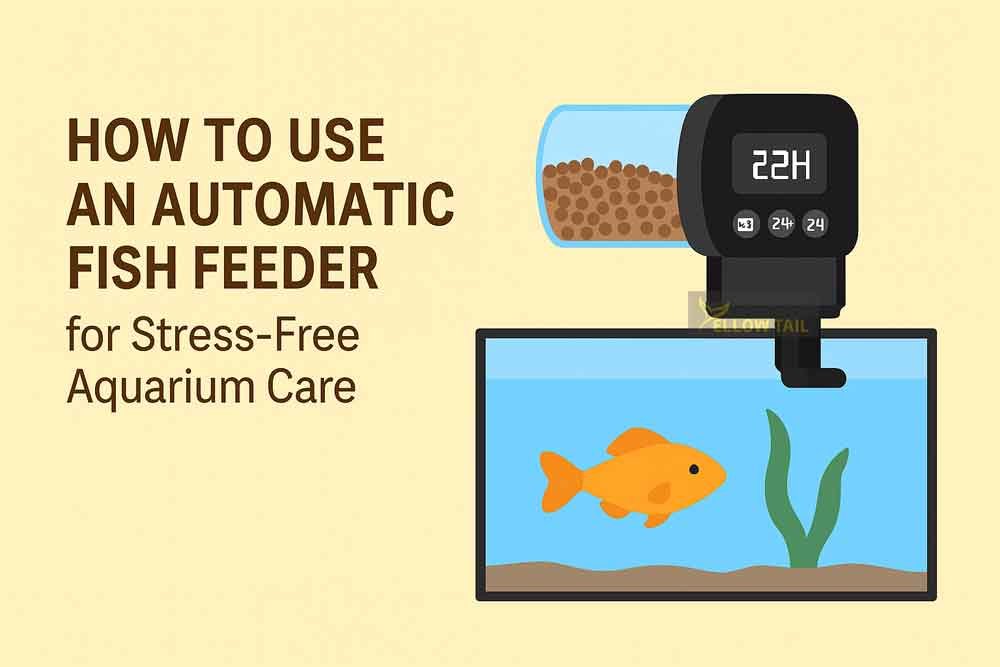
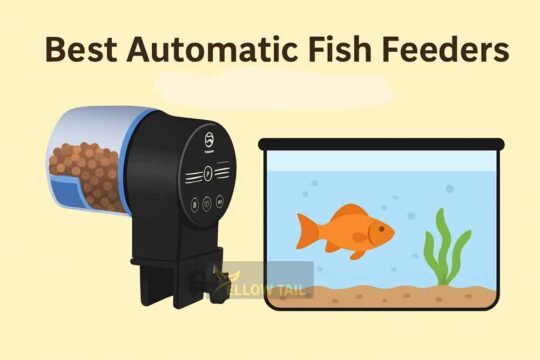
Keeping fish healthy and happy requires consistency, especially when it comes to feeding. Many aquarium owners struggle to maintain a routine due to busy schedules or travel plans. This is where an automatic fish feeder becomes the ultimate solution. In this guide, we’ll explain how to use an automatic fish feeder, tips for setup, and why it’s a must-have for stress-free aquarium care.
Why Use an Automatic Fish Feeder?
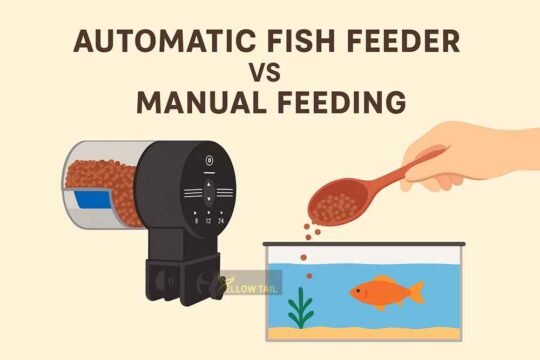
An automatic feeder ensures your fish get their meals on time, every day. With programmable settings, it eliminates overfeeding and reduces the chances of water pollution. This not only improves the health of your fish but also saves you time and effort.
How to Set Up an Automatic Fish Feeder
Setting up an automatic feeder is simple. Follow these steps for a smooth installation:
Choose the Right Location – Place the feeder where food can drop evenly into the tank.
Fill the Food Container – Add flakes, pellets, or granules depending on your fish type.
Set the Timer – Program feeding intervals (commonly 12 or 24 hours).
Adjust Portion Size – Use the feeder’s settings to release the right amount.
Test the Feeder – Run a trial cycle to ensure food dispenses properly.
Food Timer Performance
A key feature of automatic feeders is their adjustable timer. Depending on your model, you can set it for 12-hour or 24-hour feeding cycles. This ensures a consistent routine and prevents your fish from overeating.
Installation Options
Most automatic feeders come with flexible mounting choices:
Clamp Mount – Easily attaches to the side of the aquarium.
Adhesive Pad – Securely sticks to the tank lid.
Freestanding – Some feeders can rest above the tank.
Compact Design for Easy Handling
Automatic feeders are built to be lightweight and compact, making them easy to install and manage. Their sleek design doesn’t disturb the look of your aquarium while still performing reliably.
Key Features of Automatic Fish Feeders
Adjustable feeding timer
Portion control system
Compatible with flakes, pellets, and granules
Battery-operated for power cut protection
Easy mounting and setup
What’s in the Box?
When you buy a standard automatic fish feeder, you’ll usually find:
Feeder cup
Feeder motor unit
Batteries (2x AA)
User manual
Specifications (General Model Example)
Feeding cycles: 12Hrs / 24Hrs
Capacity: 100–200 ml food container
Battery type: AA batteries
Mounting: Clamp / adhesive option
Suitable for: Freshwater and marine tanks
FAQ – Automatic Fish Feeder Guide
Q1: How many times can I set feeding in a day?
ANS: Most feeders allow 1–2 feeding schedules per day.
Q2: What fish food types are supported?
ANS: Works with flakes, pellets, and granules.
Q3: Will it work during power cuts?
ANS: Yes, since most feeders are battery-operated.
Q4: Can I adjust the food portion?
ANS: Absolutely, you can control the portion size.
Q5: Is it safe for both freshwater and marine fish?
ANS: Yes, suitable for all aquarium types.
Q6: Do I need to test the feeder before travel?
ANS: Yes, always run a test cycle before leaving.
Q7: How long do batteries last?
ANS: Generally 3–6 months depending on usage.
Q8: Can I use it for large tanks?
ANS: Yes, but for bigger tanks, multiple feeders may be required.
Why Choose an Automatic Fish Feeder?
Maintains fish health with consistent feeding
Prevents overfeeding and food waste
Saves time for busy fishkeepers
Ensures peace of mind while traveling
Conclusion
An automatic fish feeder is a must-have for every aquarium enthusiast. It ensures your fish receive timely meals, prevents waste, and keeps your tank healthy. Whether you’re at home or away, this device brings peace of mind and makes fishkeeping effortless.